

C-41 and ECN-2 Are Not Alternatives
The most persistent misunderstanding around C-41 and ECN-2 is the idea that they compete with one another. They do not.
C-41 and ECN-2 are not two routes to the same outcome. They are two fundamentally different photographic systems built to solve different problems. Treating one as a substitute for the other leads to disappointment not because either system fails, but because the wrong assumptions are applied.
Why Shoot ECN-2 Film Instead of C-41
The correct question is not whether ECN-2 looks better than C-41. The correct question is why a photographer would choose a negative that deliberately withholds contrast and colour decisions, and what that choice enables.
ECN-2 does not reward unstructured use. It rewards intention. Photographers who choose it are not looking for chemistry to compensate for lighting or exposure decisions. They are choosing a system that assumes those decisions have already been made deliberately.
Chiaroscuro, Part III: Control, Containment, and the Discipline of Light
Once a lighting ratio has been established, the greatest threat to chiaroscuro is not the key light itself, but everything that happens around it. Spill, uncontrolled bounce, secondary reflections, and environmental lift can quietly erode contrast and flatten structure, particularly in confined or visually complex spaces. Cinematographic lighting does not solve these problems by adding more illumination. It solves them by shaping, subtracting, and containing the light that already exists.
This article examines how chiaroscuro is maintained when the environment becomes part of the challenge rather than a neutral backdrop, using a constructed interior night scene at the Liquid Light studio as a working case study.
Lens, Film, Chemistry — The Three Decisions That Define Cinematic Photography on Film
Across decades of cinematography and still photography alike, three decisions consistently govern the final image. They operate at different stages of the process, but together they form a closed system. If one is misjudged, the others cannot compensate. When they are aligned, the photograph holds together with coherence and permanence.
Those three decisions are lens selection, film stock, and chemical processing. Respectively, they define how light is drawn, what kind of record is made, and how that record is stabilised over time. Understanding them as a unified structure is essential to understanding how cinematic photographs on film are actually built.
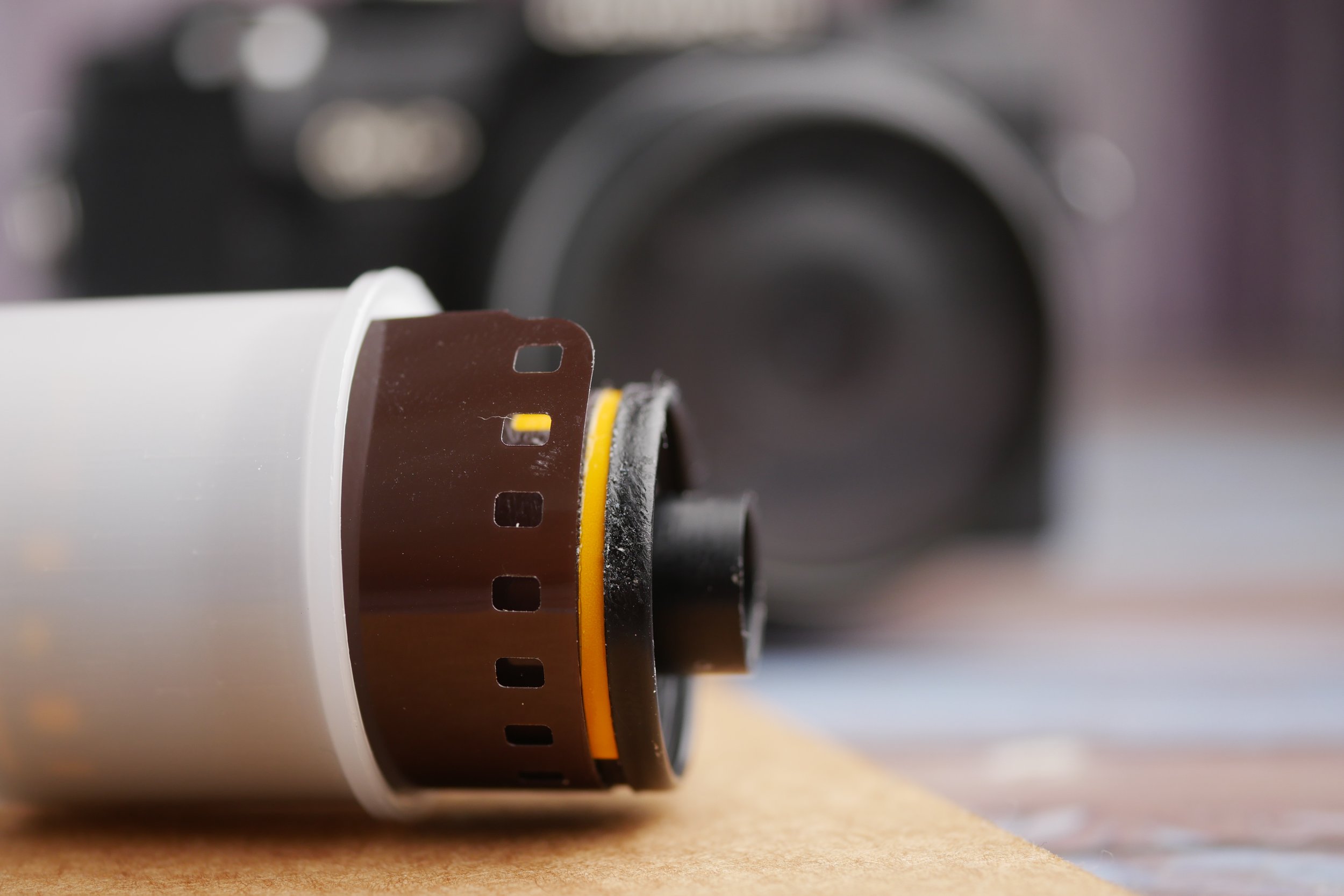
Full-Stack Film Photography Workflow: How Cinematic Film Photographs Are Made End-to-End
This article explains how a full-stack film photography workflow operates in practice, why each stage matters, and how lighting, optics, film, chemistry, and scanning function together as a single authored process.
Within this workflow, a photograph is not considered finished at the moment of exposure. Exposure is one stage in a longer chain that begins with lighting intent and ends with density-accurate translation of the negative. Each decision is made with knowledge of what follows. Nothing is isolated, outsourced, or treated as a corrective safety net. The image is constructed deliberately from first constraint to final output.
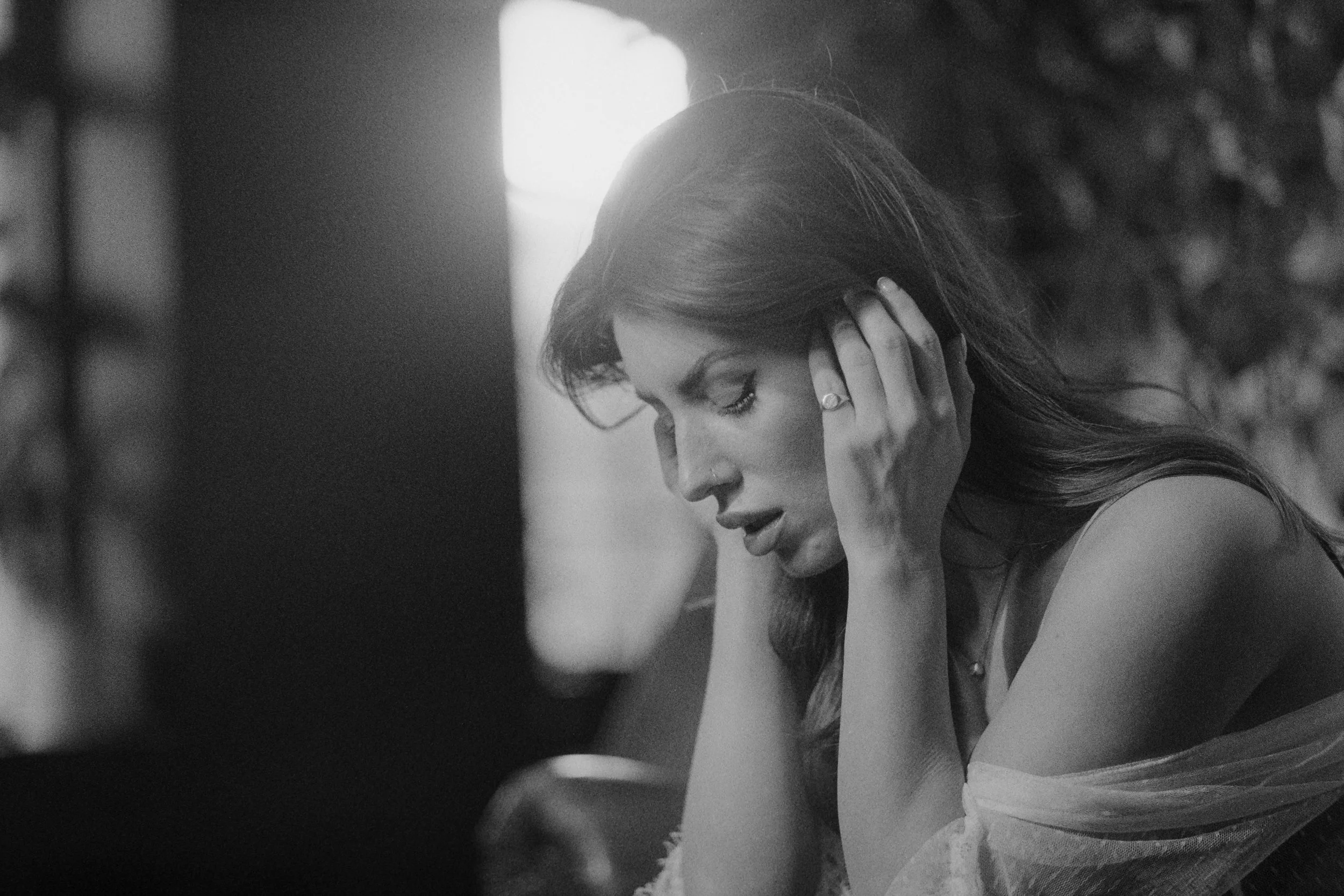
Voigtländer Nokton 50 mm f/1.1 Review: Cinematic Rendering on Film for Portraits, Weddings, and Events
The Voigtländer Nokton 50 mm f/1.1 in M-mount is one of the few modern lenses built with an analogue-era expressive mindset. It is a tool designed to build atmosphere, depth, and tonal weight on film. In portrait sessions, weddings, and low-light events, it behaves with the authority needed for authored image-making. Used on the Leica M3 Double-Stroke as a mechanical work surface, the lens becomes a precise instrument for drawing scenes with intention and harnessing motivational light—whether shaped by controlled artificial lighting, directional window light, or mixed sources structured for coherence.
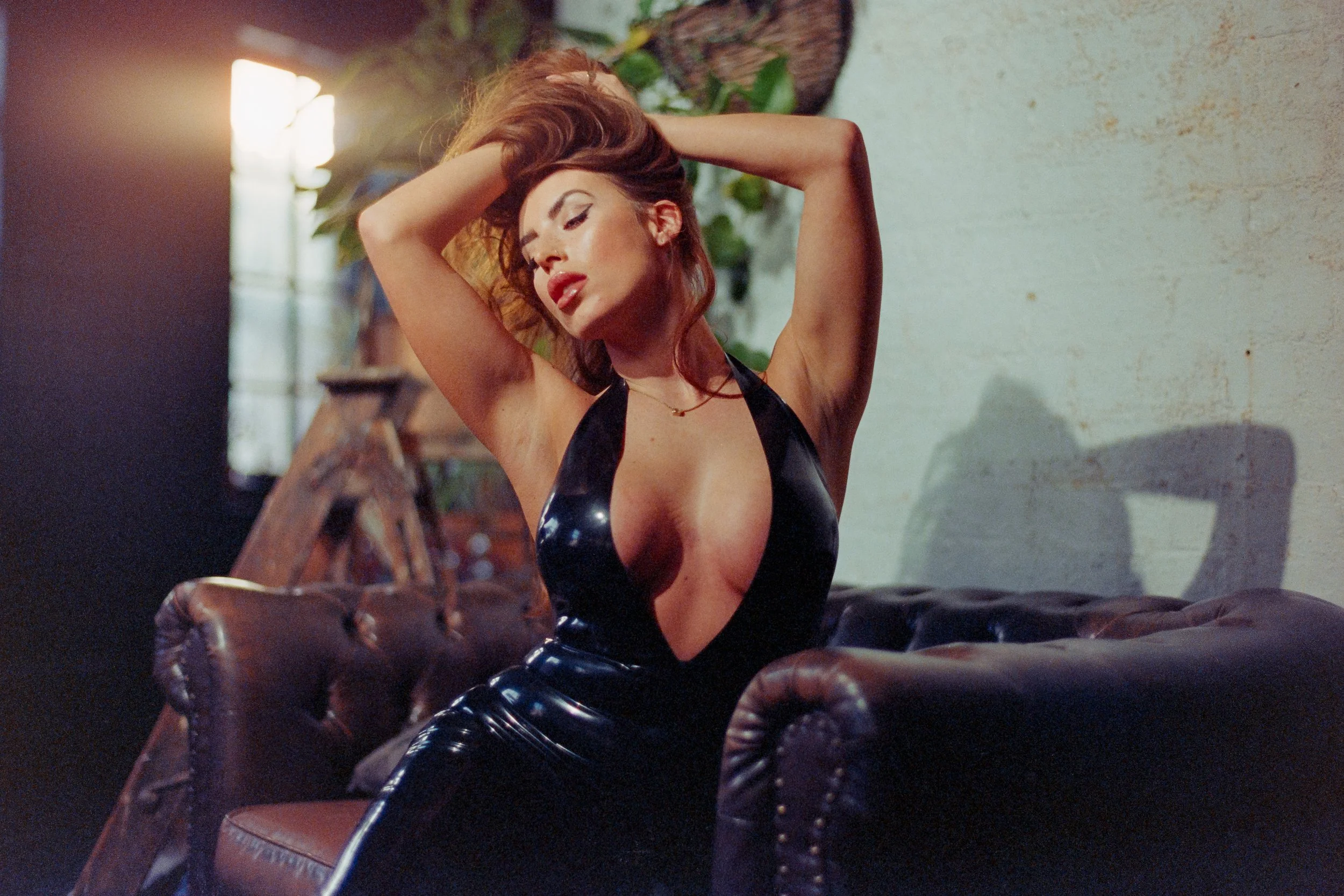
Directional Light on Film: Building the Chiaroscuro Portrait (Part II)
Chiaroscuro begins with a simple idea: the difference in brightness between the lit side of the subject and the shadow side. This difference is the light ratio, and it determines how sculptural or gentle the portrait will appear.
A small difference between the two sides creates a subtle, rounded shape. A larger difference produces the recognisable sculptural depth associated with classical portraiture and mid-century cinema. At even stronger ratios, the shadows begin to take on narrative weight, and the illuminated planes appear almost architectural.
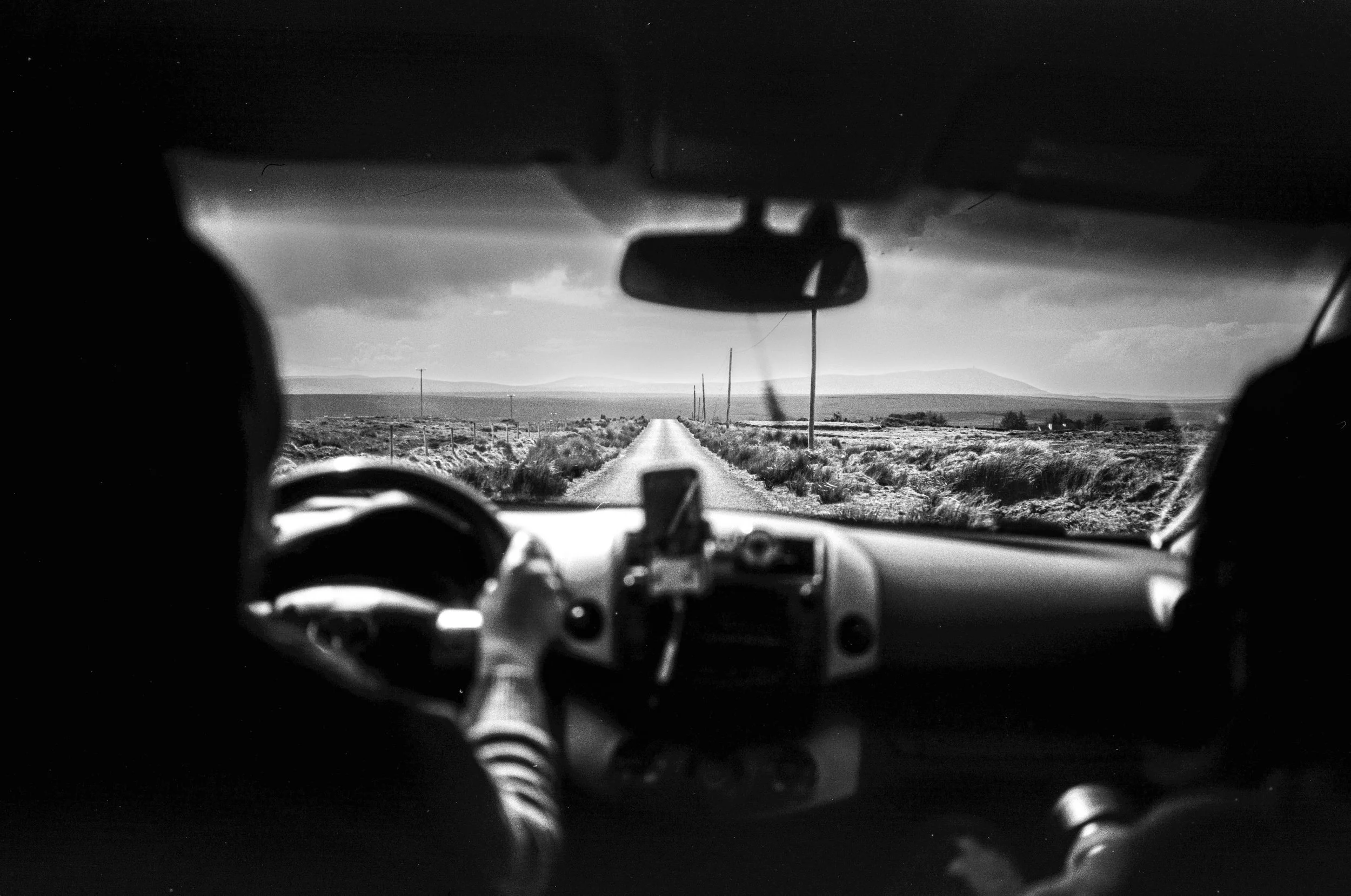
Push and Pull Film Processing: How Development Time Shapes Tonality, Density, and Cinematic Rendering
Many photographers assume push and pull decisions only occur inside the camera, but metering differently is only the first half of the process. The exposure placed on the film creates the latent image, and then the lab determines whether that image becomes fully usable or collapses in the extremes. Rating Portra 400 at 1600, for example, under-exposes the film by two stops. The film does not become a 1600-speed stock; it simply receives less light. The tonal behaviour associated with pushing—deeper shadows, higher contrast, more pronounced grain—emerges in development, not at the moment of exposure. Pulling works the same way. Over-exposing the film provides additional highlight information, but only reduced development time preserves that latitude. Push and pull are therefore collaborative acts: the photographer controls exposure, and the lab controls interpretation.
Directional Light on Film: The Foundations of Depth, Shape, and Tonal Control (Part I)
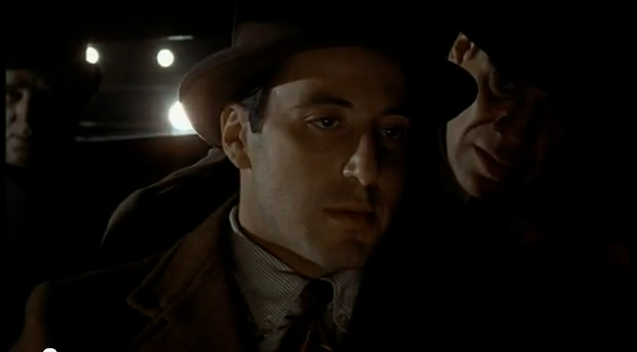
Chiaroscuro is the controlled use of directional illumination to create depth, dimensionality, and tonal separation inside a portrait. The term is sometimes used loosely to describe dramatic or shadow-heavy images, but that simplification does not describe its real function. Chiaroscuro is not an effect. It is not an aesthetic layer applied to an image. It is a precise lighting system that defines the physical structure of a portrait through the relationship between illuminated planes and shadow planes.
Why Analogue Portrait, Wedding, and Event Studios Are Rare in the UK: Infrastructure, Craft, and the Global Landscape
Analogue film photography is a working professional medium in cities such as Los Angeles, Berlin, Tokyo, and New York. Portrait studios, wedding photographers, and event specialists in those places continue to work on film because the infrastructure that supports analogue workflows never disappeared. Labs stayed open, cinematographers kept shooting on film, universities continued teaching it, and creative industries carried on commissioning it as part of their normal practice. Film remained part of the working vocabulary rather than becoming a curiosity. I’ve worked throughout the UK, USA and Europe over the decades, and since the late 1990’s the differences have grown between countries and continents for very different reasons.

Cinematic Portraits on Film – Chesterton Windmill, Leamington Spa, Warwickshire, West Midlands
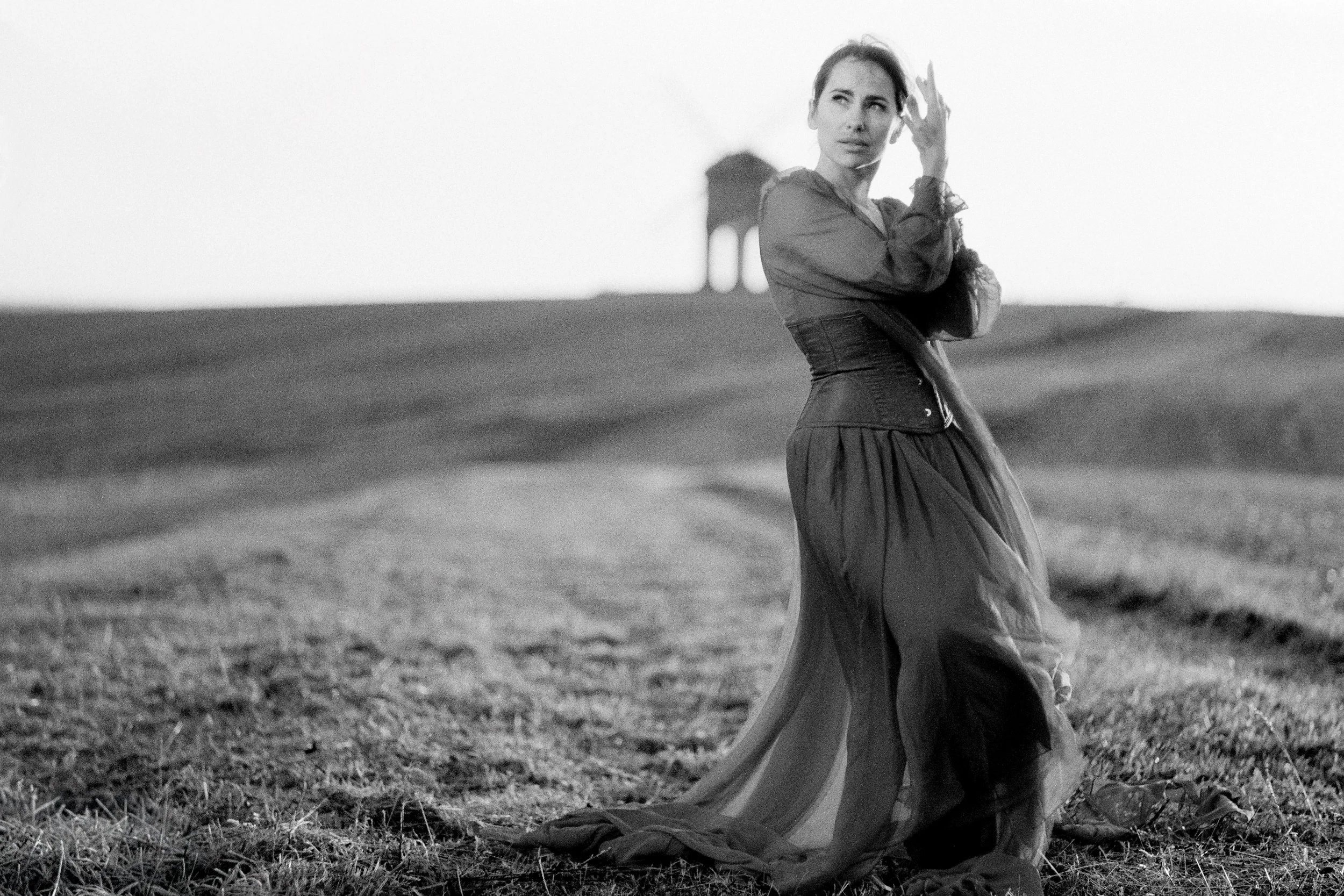
Chesterton Windmill is a setting that behaves almost like a stage. It stands alone above Leamington Spa, a solitary architectural structure surrounded by uninterrupted landscape, and this isolation gives it a rare cinematic profile. For portrait photographers working across Warwickshire, the West Midlands and the Cotswolds, it is one of the few local landmarks that retains a sense of timelessness — and at sunset, it becomes even more atmospheric. For this portrait session with Olga, the rhythm of the falling sun controlled everything. Forty-five minutes from start to finish meant two rolls of film, no resets, no time to revise angles, and no spare exposures. Everything had to be prepared, executed and adapted fast.

Hellraiser Actor, Simon Bamford — A Portrait Session on Real Film
Across theatre, film, and television, Simon Bamford has built a career grounded in precision and physical awareness. Audiences know him first through the enduring imagery of Hellraiser and Nightbreed — roles that made him a figure within the language of British cult cinema — yet his roots are theatrical. Trained for the stage, his work is defined by an understanding of stillness: the ability to hold attention through exact posture and measured timing. That quality is rare; it cannot be taught quickly, and it photographs differently from performance designed for the screen.
Leica M5 — The Last True Leica
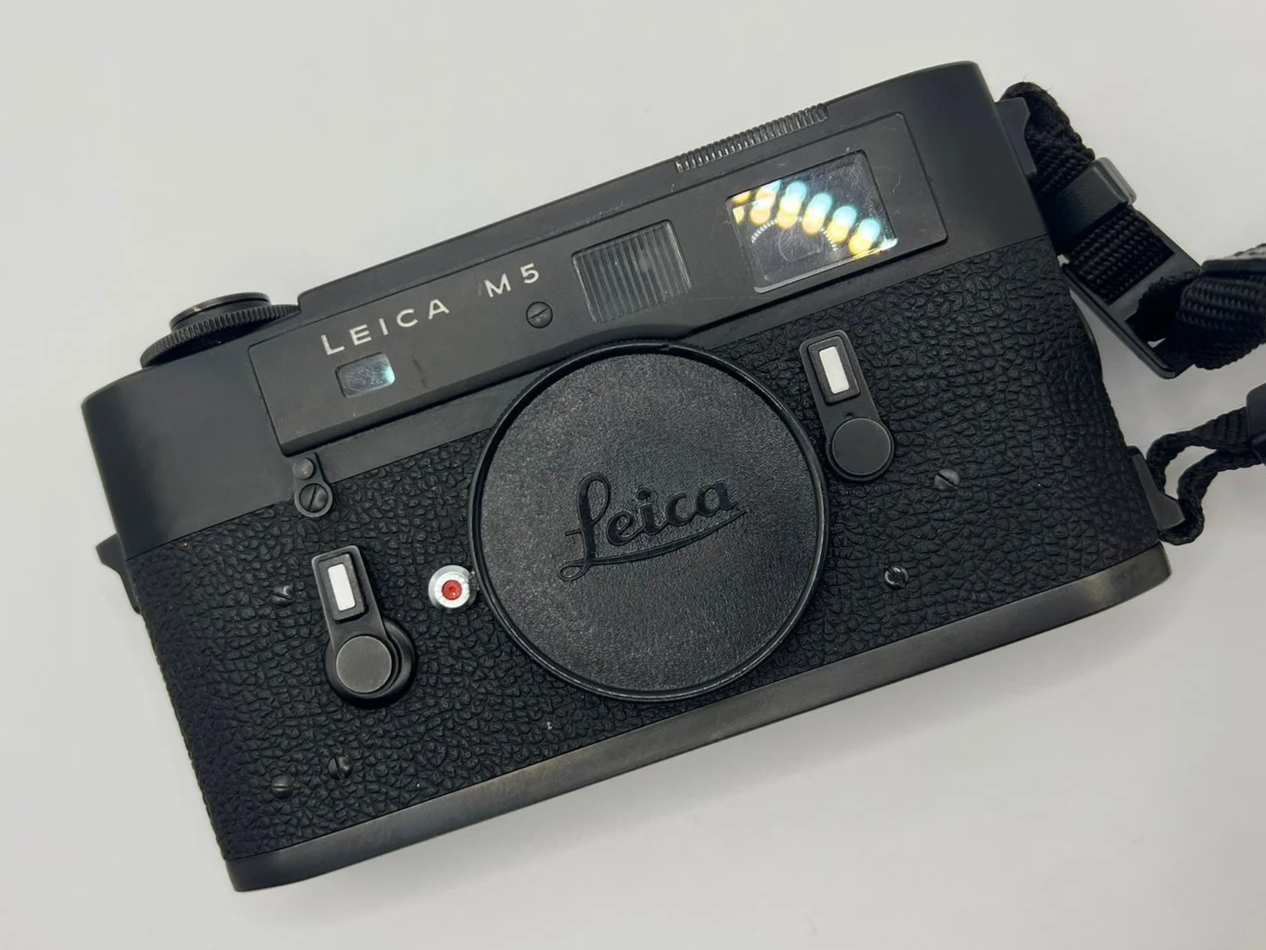
Built between 1971 and 1975 in Wetzlar, the Leica M5 was the last M-series camera assembled entirely by hand under Leica’s traditional adjust-and-fit standard. Each body was finished, calibrated, and tested in the same small-team workshop system that had produced the M3, M2 and M4 — a method soon replaced by team-line assembly in Midland. When this process ended, so did the era of the “true” mechanical Leica.

Why Real Film Photography Is the Only True Heirloom in the Age of AI
There was a time when photography meant one simple thing: light recorded on a physical surface. Every image was a direct imprint of the world — photons hitting emulsion, a moment translated into chemistry. Today, photography exists in a different landscape. We live in an era of filters, machine learning, and algorithms that can fabricate faces, landscapes, and entire realities that never existed. In a feed full of digital illusion, a true photograph — one that exists as a tangible artifact — has become something more than nostalgic. It has become proof.

When the Light Misbehaves – The Beauty of Imperfection in Film Photography
In the world of film, perfection doesn’t exist — and that’s the point. Every roll carries a trace of risk. A flicker of light might slip past a seal. A frame might shift by a fraction. Grain might swell unexpectedly in the shadows. These are not errors to correct. They’re the heartbeat of something real.
At Liquid Light Whisperer, those marks of imperfection aren’t flaws. They’re fingerprints — small proofs that every image was made by hand, in light, with care, and without the safety net of an undo option.

Newborn on Real Film: A Three-Week Story in Light
It’s a beautiful thing when someone trusts me to photograph their newborn. These aren’t just pictures — they’re the first memories of a life just beginning. One day, this little girl will show these portraits to her own children and grandchildren. They’ll see the faces of their ancestors, the hands that first held their mother and grandmother, and the beginning of their family story.

Leica M3 Double Stroke Review — Precision, Permanence, Perfection.
The Leica M3 is the camera that changed how 35 mm rangefinders worked. It was the first Leica with a bayonet mount, the first with a single combined view and rangefinder, and the first that felt as if every control was designed around the photographer’s hand rather than the factory’s production line. Mine is a double-stroke version, serviced, used weekly, and it remains the most exact mechanical device I own. There are smoother cameras, lighter ones, quieter ones, but none that give the same sense of mechanical certainty.

The Secret Behind Film’s Tonal Depth: How Pyro Developers Shaped Black and White Photography
In the early to mid-twentieth century, Pyro found its most famous advocates. Ansel Adams, Edward Weston, and other Zone System pioneers relied on Pyro for its long tonal curve and ability to handle extreme contrast scenes. Adams’ negatives from Yosemite, printed decades later, still exhibit the smooth highlight roll-off typical of Pyrogallol development. Pyro allowed these photographers to “place” tones with mathematical precision — the foundation of the Zone System itself.

Pyro Film Development with Zone Imaging 510 Pyro: The Liquid Light Lab Approach
There are few developers that define the tonal language of black and white film the way Pyro does. It’s one of the most advanced formulations ever created — prized for smooth highlights, long tonal transitions, and a calm, sculptural rendering of light.

Zeiss Sonnar 50mm f/1.5 (1939) — The Lens That Drew Light Before Colour
The 50mm f/1.5 Zeiss Sonnar from 1939 is one of the great optical designs of the last century. It belongs to an age before coating, before marketing language replaced observation. It was built to interpret light, not to control it. Mine is one of the last pre-war uncoated examples, mounted on a Contax IIa body from the early 1950s — the bridge between the pre-war world and the modern one.